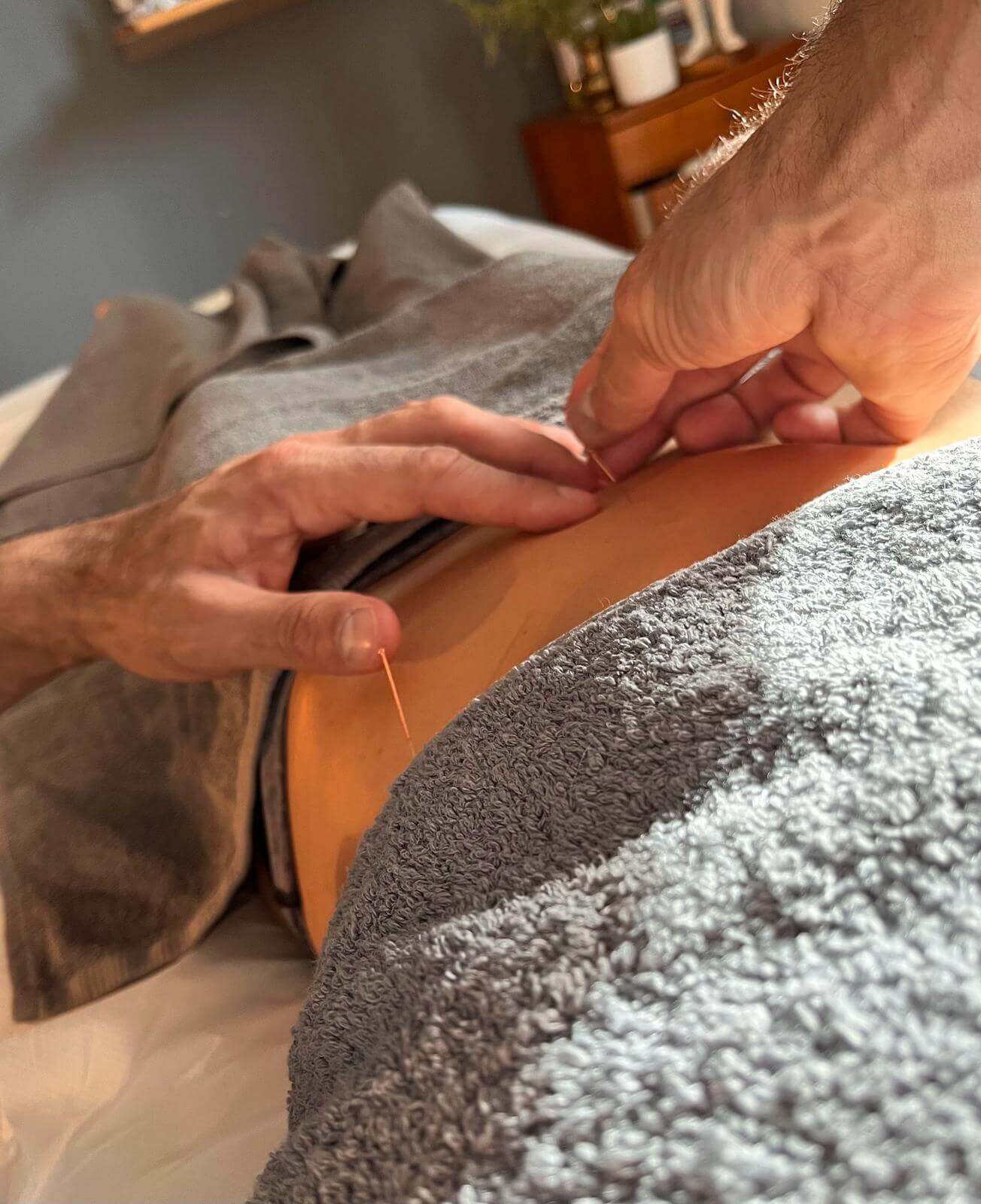
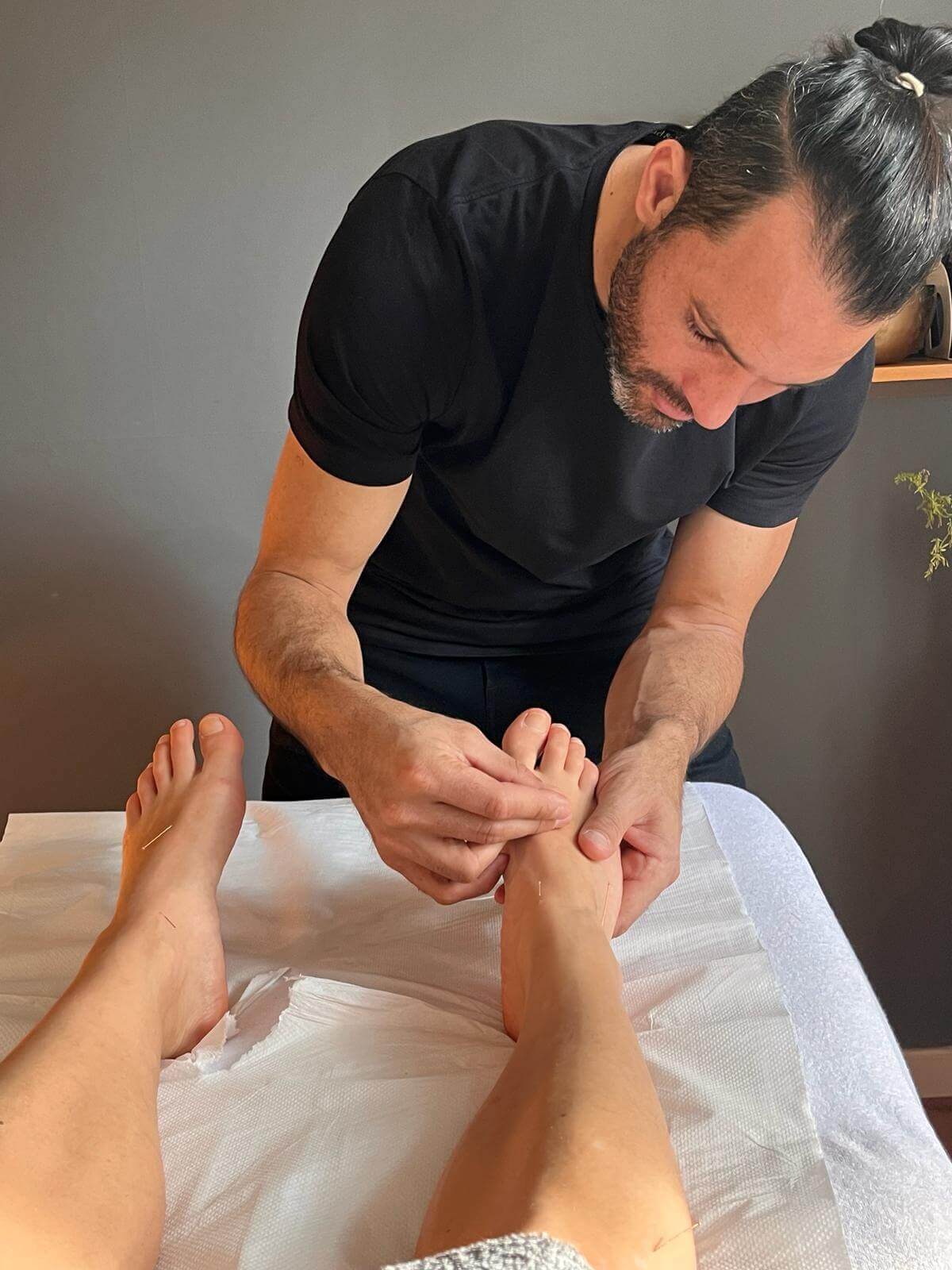
The body has a tremendous ability to heal itself, but sometimes due to prolonged physical or emotional stress and external pathogens we can get sick.
This approach views each person as a whole, with the body, mind, and emotions closely connected to the world around them. There is no fixed protocol, every treatment is tailored to the individual.
We are made up of, animated by, and nourished through constant flows of energy and body fluids. When is circulating freely, it sweeps away from illness.
This circulation may become slowed, blocked, or weakened by various factors such as stress, overwork, poor diet, emotions, environmental influences, climatic disturbances, and more. When is not solved, that situation mays lead first an imbalance (as fatigue, poor sleep and slow digestion) then to the illness.
That’s why Acupuncture is known to be also a preventive medicine.
How a Session Works ?
After a detailed health discussion, tongue observation, and pulse diagnosis, the acupuncturist inserts fine sterile needles into specific points on the body, sometimes combined with other techniques such as massage, cupping, electroacupuncture, moxibustion, auriculotherapy, or gua sha.
The method is gentle and generally painless, although some sensations such as slight tingling, numbness, or radiating feelings may occasionally be experienced.
These sensations are completely normal during acupuncture treatment and disappear quickly. The insertion of the needles communicates with the brain and central nervous system to stimulate the body to heal itself. As energy is unblocked, a new equilibrium is created, endorphins are released, and the nervous system encourages healing.
It can take 2-3 days for the restoration of energy flow and re-balance to take effect; however, some clients report immediate relief from discomfort following their session. Depending on the individual case, the acupuncturist may also provide advice on TCM dietetics, exercises, and lifestyle habits in order to optimize the treatment and help prevent recurrence.


An ancient healing art that transcends time.
From Ancient Egypt to Hippocrates in Greece, from Chinese medicine to the Islamic world with Hijamah, cupping has been used across cultures to release stagnation, stimulate circulation and promote healing.
How a Session Works ?
First, I ask relevant intake questions and assess your skin to identify any reasons why cupping might not be safe for you...
Then, I create suction by briefly placing fire inside the cup... Finally, I may combine cupping with Tuina massage or acupuncture depending on your needs.
Why cupping can be so helpful?
The suction created by the cup helps release congested, stagnant areas, reduce myofascial restriction, and encourage healthy blood flow to the area.
It’s simple but efficient; the new blood brings oxygen and nutrients to the tissue affected.
This technique stimulates sensory nerves, reducing pain, the oxygen supplied to the area, helps draw stagnation or toxins to the surface.
Finally, cupping may help calm inflammation and gently support your immune system by encouraging your body’s natural healing response.
Cupping therapy help with :
● Muscle tension
● Fatigue, stress & anxiety
● Immune system circulation
● Back pain
● Shoulder pain
● Skin conditions (eczema, psoriasis)
● Respiratory issues (asthma, bronchitis)
The acupuncture needles are combined with mild electrical pulses to enhance the treatment's effect.
This method is especially effective for chronic pain relief, inflammation, and muscle recovery.
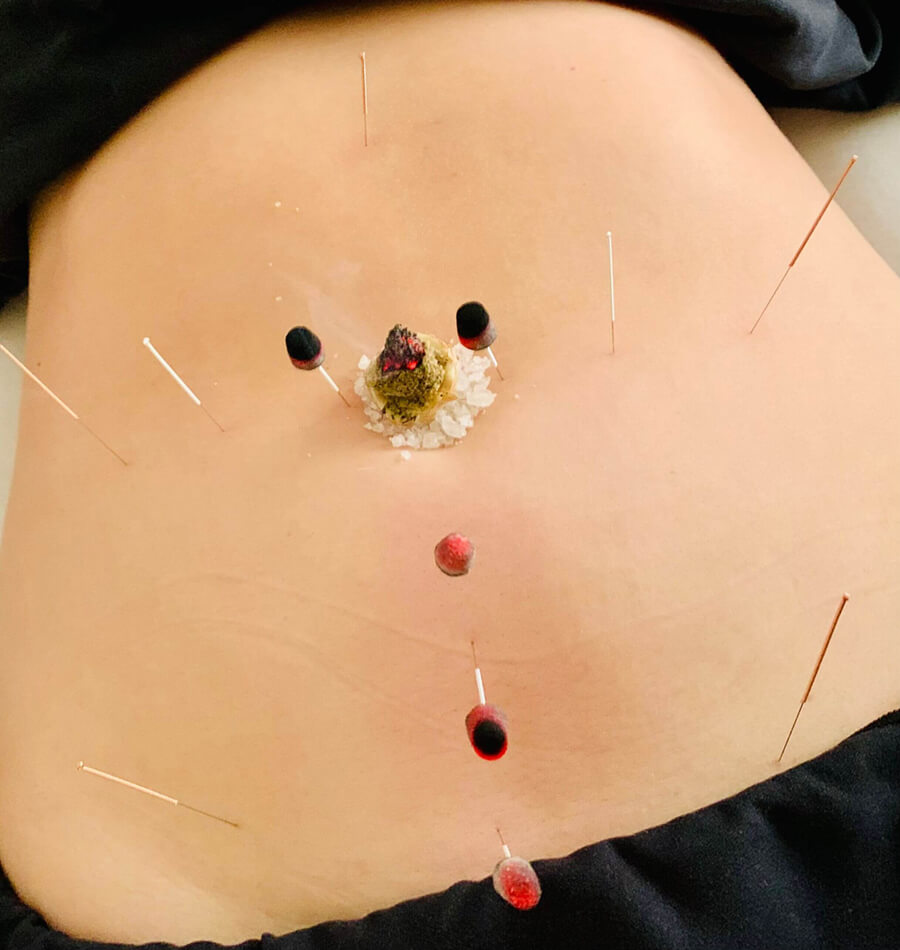
Dried mugwort herb is burned near acupuncture points or placed on the needle to create gentle, penetrating warmth.
This therapy strengthens the body's functions, improves energy flow, and supports overall vitality.
Moxibustion is particularly effective for arthritic pain, digestive issues, and gynecologic issues.
Since 1970 is still a game changer in Malaria treatment ...
A smooth-edged tool is gently scraped across the skin to break up muscle tightness, increase blood flow, and release built-up tension.
It's especially effective for chronic pain and stiffness.

My interest in manual therapy grew naturally alongside my acupuncture practice, as I see both approaches as highly complementary.
When combined with acupuncture, cupping therapy or Gua Sha, these treatments can be adapted to each person's needs to help release tension, restore balance, and support overall wellbeing.
● Tuina Massage
A massage technique such as acupressure, myofascial release, and reflexology. Sometimes, techniques that are common to osteopathy and chiropractic, such as stretching and joint mobilizations, are also used.
● Sport Massage
A targeted treatment that helps relieve muscular aches and tension, improve flexibility and mobility, support injury prevention, and assist both preparation before exercise and recovery afterwards.
● Therapeutic Massage
A targeted treatment designed to address specific areas of chronic pain, muscular tightness, and restricted movement, with the goal of reducing discomfort and improving posture and physical function.
● Relaxing Massage
A gentle massage treatment intended to reduce stress or anxiety, improve sleep, and promote overall relaxation and wellbeing.